Are Hoops Safe for Newly Pierced Ears | Ishime Jewels Guide
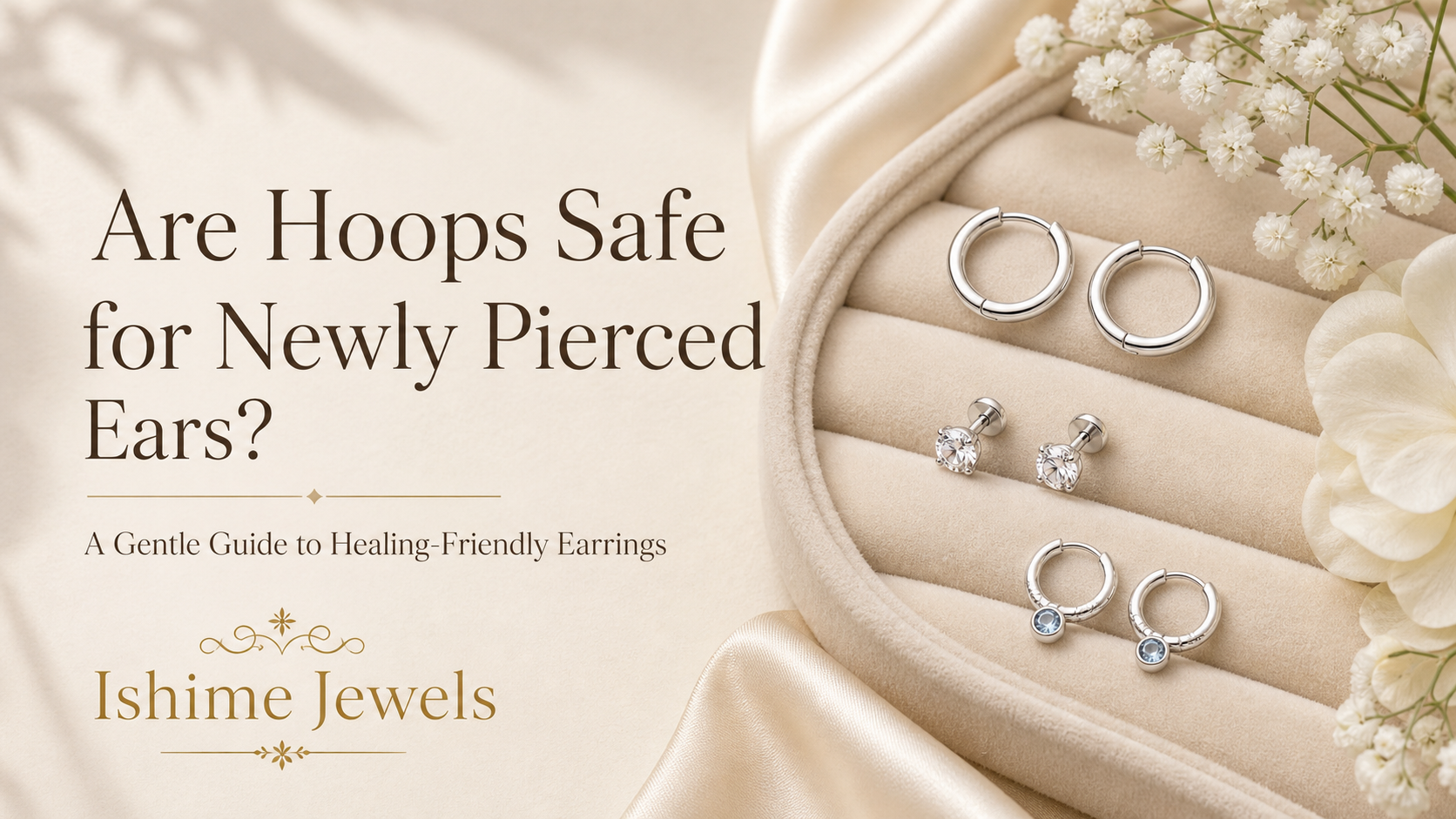
Are Hoops Safe for Newly Pierced Ears?
Getting your ears pierced is exciting, especially when you love styling earrings. But during the healing period, the type of earring you wear matters a lot. The wrong earring can cause pulling, irritation, swelling, or delayed healing.
Many people ask: Are hoops safe for newly pierced ears?
The answer is: yes, but only certain hoops are safe. For very fresh piercings, hypoallergenic studs are usually the safest first choice. If you want to wear hoops, choose small, thin, lightweight, seamless hoops made from safe metals.
At Ishime Jewels, comfort, quality, and skin-friendly jewellery are important parts of every design.
How Long Do New Ear Piercings Take to Heal?
Healing time depends on the piercing area and your aftercare routine.
Earlobe piercing: usually 6–8 weeks
Cartilage piercing: 3–6 months or longer
During healing, your piercing needs stability. Earrings that move too much can create friction and slow down healing.
Can You Wear Hoops in New Piercings?
Yes, you can wear hoops in newly pierced ears, but only when the hoops are designed for healing and comfort.
Choose hoops that are:
Small
Thin
Lightweight
Smooth
Seamless or endless
Hypoallergenic
Comfortable while sleeping
Not too tight
Not too loose
The hoop should not swing, pull, rotate too much, or press against the piercing.
Which Hoops Are Best for Newly Pierced Ears?
1. Small Thin Hoops
Small hoops between 8mm and 12mm are usually more comfortable for healing earlobe piercings. They sit close to the ear and reduce unnecessary movement.
2. Seamless Endless Hoops
Seamless hoops are better because they do not have sharp edges, rough joints, or heavy clasps that may irritate the piercing.
3. Lightweight 925 Sterling Silver Hoops
925 sterling silver is a popular choice for sensitive ears when the jewellery is well-finished, smooth, and nickel-safe. Lightweight sterling silver hoops can be comfortable for healed or healing piercings.
4. Gold or Gold-Vermeil Hoops
Gold and gold-vermeil hoops can be good options if they are high quality, smooth, and lightweight. Avoid low-quality plating that may irritate sensitive skin.
5. Titanium or Medical-Grade Hoops
Titanium is often recommended by professional piercers because it is lightweight and skin-friendly. It is especially useful for sensitive ears.
Hoops to Avoid in New Piercings
Avoid these styles while your piercing is healing:
Large hoops
Heavy hoops
Thick hoops
Hoops with charms
Rough textured hoops
Hoops with sharp clasps
Very tight hoops
Cheap mixed-metal hoops
Fashion earrings with unknown metal
These can pull on the piercing, move too much, or cause irritation.
When Should You Avoid Hoops Completely?
Do not wear hoops in a fresh piercing if you have:
Swelling
Bleeding
Pain
Redness
Irritation
Discharge
Very sensitive skin
A new cartilage piercing
A habit of sleeping on your earrings
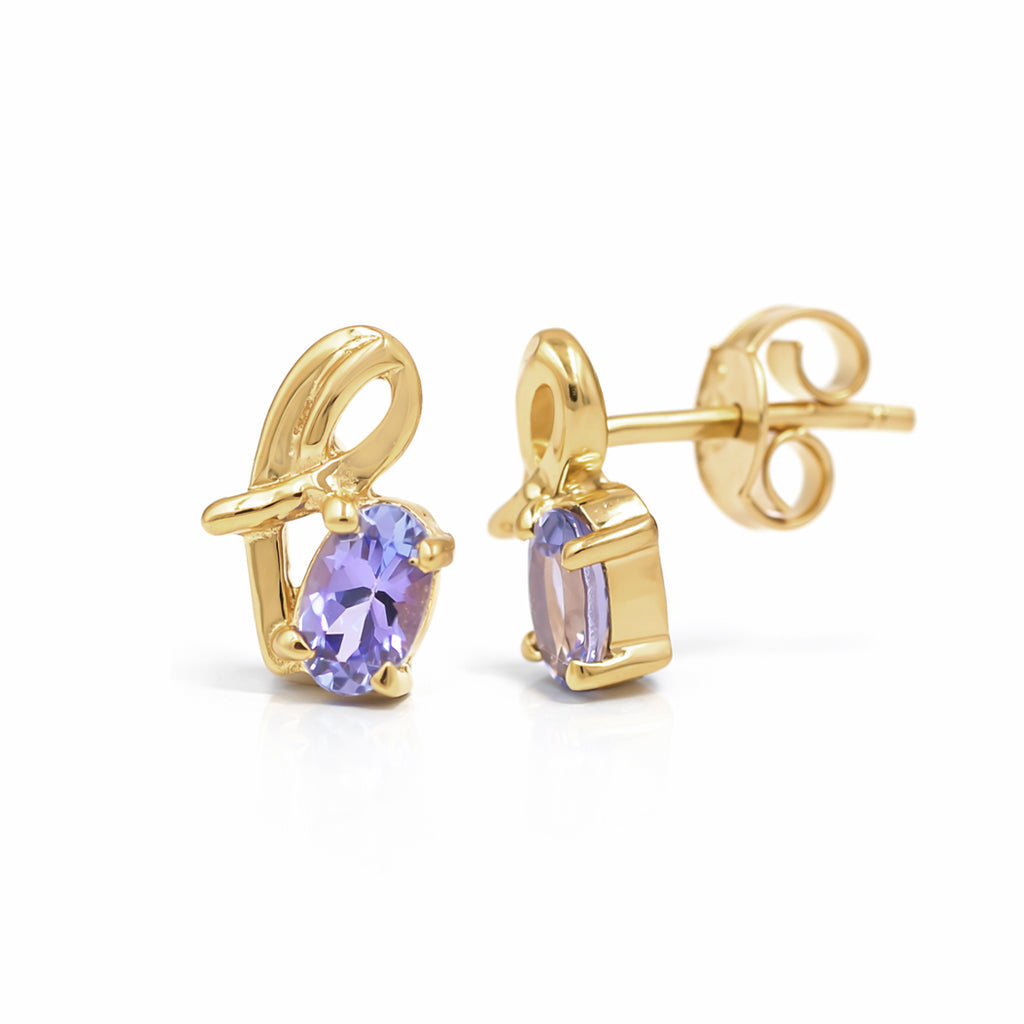
In these cases, simple hypoallergenic studs are safer until the piercing settles.
Why Piercers Often Recommend Studs First
Many piercers recommend flat-back studs or simple starter studs during the first healing stage because studs:
Stay more stable
Move less during sleep
Reduce friction
Help maintain piercing angle
Are less likely to catch in hair or clothes
Are easier to clean
After the first healing period, many people switch to small hoops comfortably.
Aftercare Tips When Wearing Hoops
If you wear hoops in a new piercing, aftercare is very important.
Clean the piercing twice daily with saline solution.
Do not rotate the earring unnecessarily.
Avoid touching earrings with unwashed hands.
Keep hair away from the piercing.
Avoid earbuds or headphones that press the hoop.
Do not sleep directly on the piercing.
Avoid perfume, hair spray, and lotion near the piercing.
Do not change earrings too early.
Good aftercare helps reduce irritation and supports smooth healing.
Ishime Jewels Recommendation
For very new piercings, Ishime Jewels recommends starting with hypoallergenic studs for at least 4–8 weeks.
If you prefer hoops, choose:
Small hoops
Thin hoops
Lightweight hoops
Smooth finishing
Seamless design
925 sterling silver, titanium, or high-quality gold
Your earrings should feel comfortable, secure, and gentle on the skin.
Final Thoughts
Hoop earrings can be safe for newly pierced ears, but only when the design is healing-friendly. Small, smooth, lightweight, hypoallergenic hoops are the best option. Large, heavy, or rough hoops should be avoided until the piercing is fully healed.
For the safest start, choose simple studs first, follow proper aftercare, and switch to hoops when your ears are ready.
FAQ Section
Are hoops safe for newly pierced ears?
Hoops can be safe for newly pierced ears only if they are small, lightweight, seamless, and made from hypoallergenic metal. For very fresh piercings, studs are usually safer.
When can I wear hoops after ear piercing?
For earlobe piercings, many people can switch to hoops after 6–8 weeks if healing is normal. Cartilage piercings usually need 3–6 months or longer.
What size hoops are best for new piercings?
Small hoops around 8mm–12mm are better because they are lightweight and do not move too much.
Are sterling silver hoops good for sensitive ears?
High-quality 925 sterling silver hoops can be good for sensitive ears, especially when they are smooth, lightweight, and nickel-safe.
Should I wear studs or hoops after piercing?
Studs are usually safer during the first healing stage because they stay stable and reduce friction. Hoops can be worn later when the piercing is healing well.
What hoops should I avoid for new piercings?
Avoid large hoops, heavy hoops, thick hoops, hoops with charms, sharp clasps, rough edges, and cheap mixed-metal earrings.


Written by ishime jewels